Bird Care for Absolute Beginners
 Dr. Anika
📅 Feb 16, 2026
⏱️ 8 min read
Dr. Anika
📅 Feb 16, 2026
⏱️ 8 min read
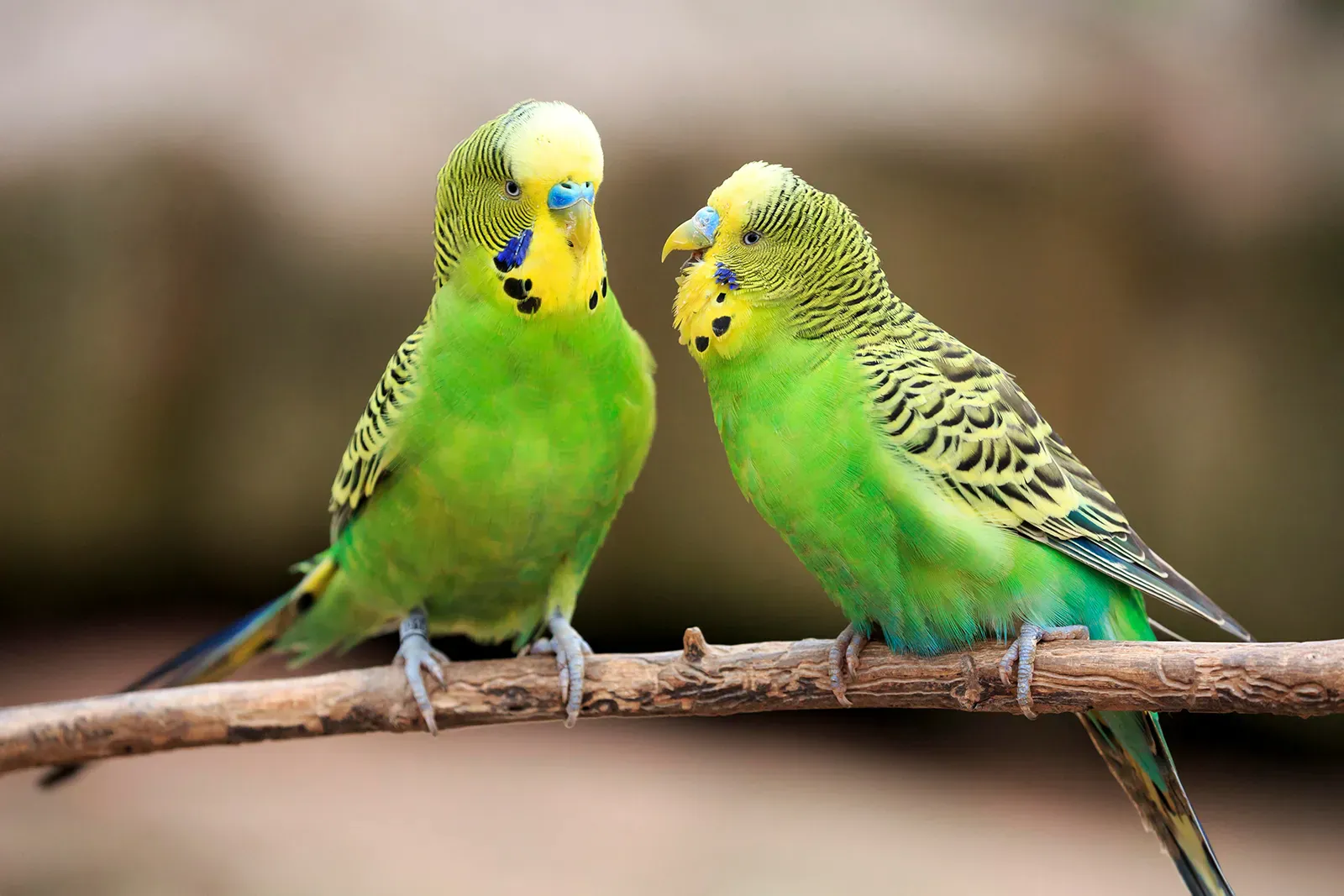
Birds are smart, social and utterly charming. For a beginner, a budgie or cockatiel makes a wonderful companion. But birds are not low-maintenance - they need proper space, diet and daily attention. Here's how to start right.
Step 1: Pick a good beginner bird
- Budgies (parakeets) - small, friendly and great first birds.
- Cockatiels - gentle, affectionate and famous for whistling.
- Lovebirds - full of personality, but they bond strongly with one person.
Start with one bird. Pairs are wonderful, but a single bird bonds more closely with you and is easier to train.
⚠️ Big birds, big commitment
Large parrots like macaws and African greys are beautiful - and can live 50-80 years while needing expert care. They are NOT beginner pets. Start small.
Step 2: Set up the cage
- Bigger is better - the cage should be wide enough for full wing-flaps.
- Bar spacing must be safe (narrow for budgies so heads don't get stuck).
- Perches of different thicknesses and materials - natural wood is best for feet.
- Toys: mirrors, bells, shreddable paper and swings. Rotate them weekly to keep things interesting.
- Place the cage off the floor, away from draughts and the kitchen (cooking fumes and Teflon are toxic to birds).
Step 3: Feed them right
- High-quality seed mix plus pellets - seed-only diets lead to obesity.
- Fresh veggies daily: spinach, carrots, broccoli, sweet potato.
- Small amounts of fruit as treats.
- Fresh water daily, and clean the bowl often.
⚠️ Toxic to birds
Avocado, chocolate, caffeine, alcohol, onions and garlic are dangerous. Never let birds near smoke, candles, or non-stick pans heating up.
Step 4: The first week home
- Let them settle quietly for 2-3 days - no grabbing, just soft talk.
- Keep the cage calm and consistent; move slowly around them.
- Offer treats (millet spray) through the bars to build trust.
- Begin "step-up" training on a perch when they seem relaxed.
- Give 10-12 hours of quiet, covered sleep at night.
The 5 mistakes every new bird owner makes
🐾 Avoid these:
1) Seed-only diets. 2) Cages too small. 3) No daily out-of-cage time. 4) Forcing handling too fast. 5) Ignoring vet check-ups.
Give your bird space, a great diet and patient handling, and you'll earn a best friend who sings your morning alarm. 🦜
Dr. Anika
Dr. Anika is a veterinarian specialising in small mammals, birds, fish and reptiles. She writes Pawsome’s pocket-pet guides and is on a mission to make sure hamsters, rabbits and parrots get the same quality care as cats and dogs.
✦ Keep reading