Why Do Cats Have Whiskers? (And the Rules to Respect Them)
 Dr. Maya
📅 Sep 18, 2026
⏱️ 4 min read
Dr. Maya
📅 Sep 18, 2026
⏱️ 4 min read
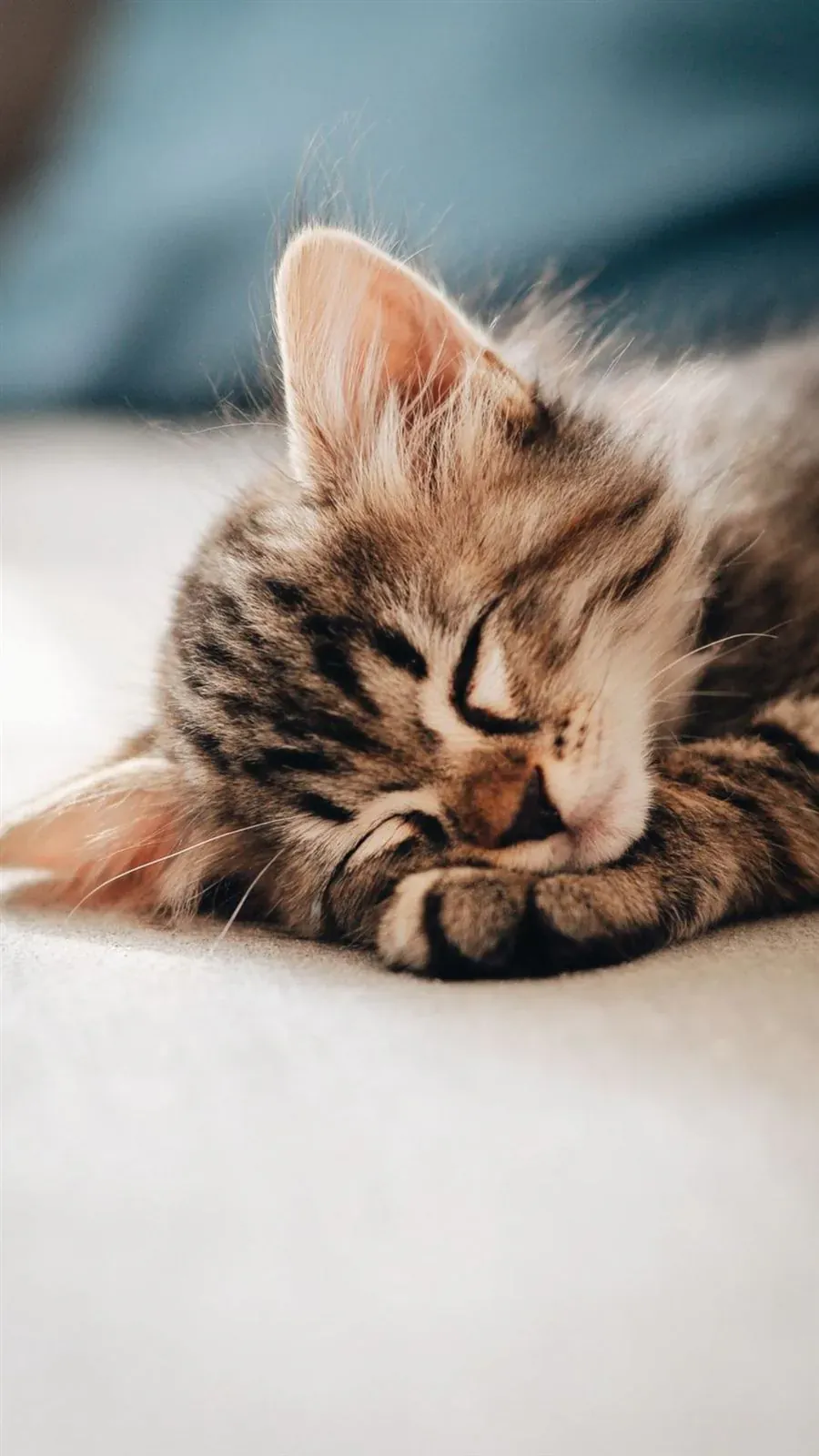
Those elegant whiskers do so much more than look good. They're the cat equivalent of fingertips and a radar system combined - and accidentally breaking the rules around them can stress your cat out.
What whiskers actually do
- Measuring gaps. Whiskers are about as wide as the cat's body - they tell a cat instantly if a gap is passable.
- Navigation in the dark. They detect air currents and nearby objects without touching them.
- Mood signals. Forward and relaxed = curious; flattened back = scared or angry.
- Balance and hunting. They help cats sense prey movement and land safely.
The rules of whiskers
- Never trim them. It's not painful, but it disorients cats and reduces their confidence for weeks.
- Watch the bowl. Deep, narrow bowls cause "whisker fatigue" - the constant brushing is uncomfortable. Use wide, shallow dishes.
- Don't touch them casually. They're sensitive; poking is annoying to cats.
- Let them shed naturally. Whiskers fall out and regrow on their own - that's normal.
🐾 Diagnostic value
Whiskers that suddenly droop or lie flat can signal pain or illness. Along with behavior changes, it's a reason to check in with your vet.
Fun fact
Cats also have whiskers on the back of their front legs (carpal whiskers) - they use them to sense prey movements right under their paws.
Whiskers are a cat's superpower. Respect them, use wide bowls, and never trim - and your cat will navigate the world (and your home) with total confidence.
Dr. Maya
Dr. Maya is a licensed veterinarian with more than 10 years of experience in small-animal medicine. As chief editor at Pawsome, she reviews every article for accuracy, kindness and clarity, so you can trust the advice you read.
✨ Keep reading