10 Signs Your Dog Is Stressed - And How to Fix It
 Jake
📅 Feb 10, 2026
⏱️ 7 min read
Jake
📅 Feb 10, 2026
⏱️ 7 min read
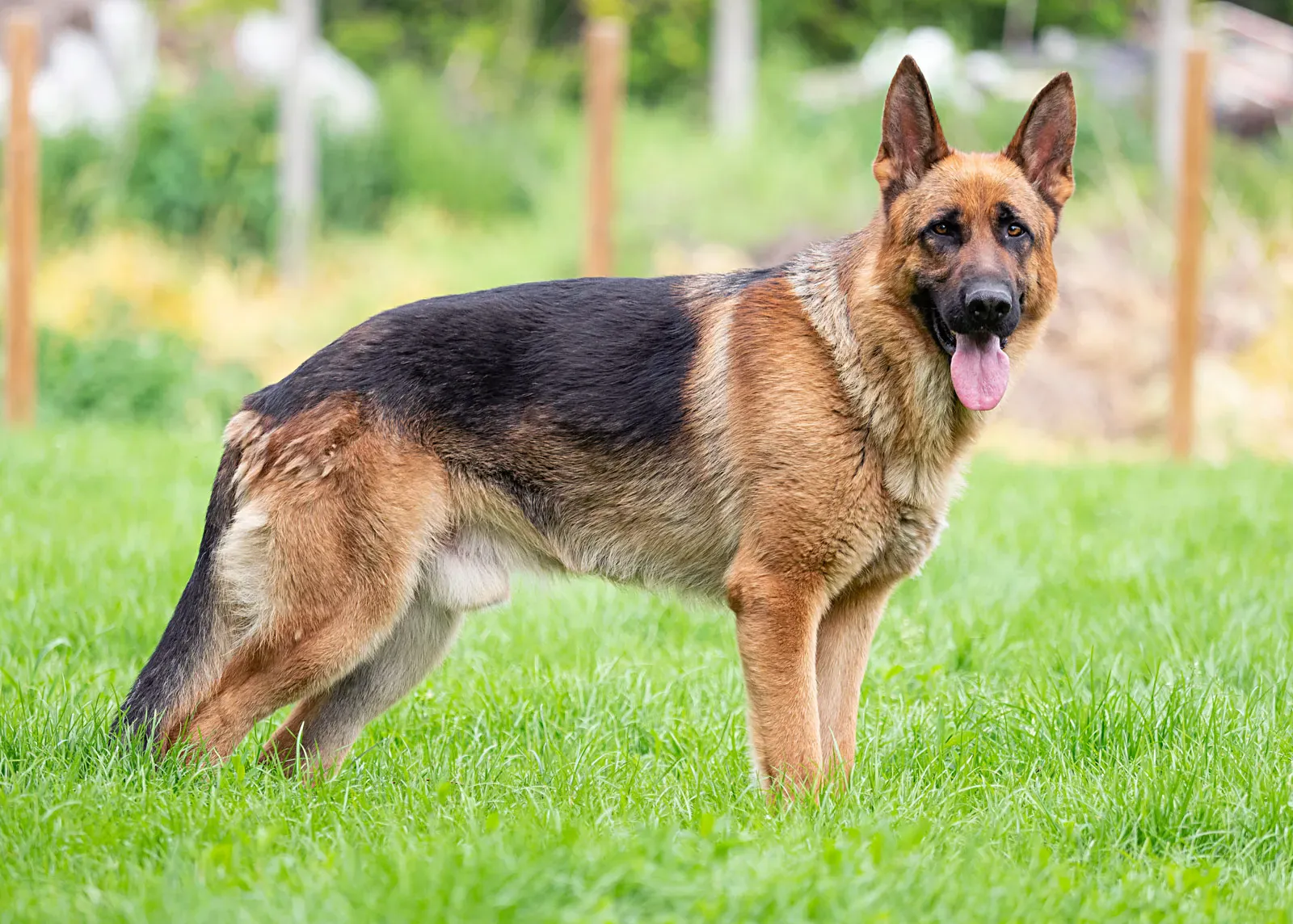
Dogs can't tell us "I'm nervous" in words - but they show it in a thousand tiny ways. The tricky part? Many stress signals look just like normal behaviour. That yawning isn't always tiredness, and that lip lick isn't always hunger.
Learning to read these signs early is the single best thing you can do for your dog's mental health. Here are 10 of the most common ones - and what to do about each.
1. Lip licking out of nowhere
A quick tongue flick when there's no food around is one of the earliest stress signals. Dogs use it as a calming gesture - usually when something in the room makes them uneasy.
2. Yawning when not tired
If your dog yawns repeatedly at the vet, during a loud noise, or when meeting strangers, they're not sleepy - they're anxious.
3. Whale eye
When a dog turns their head away but keeps their eyes fixed on something, you'll see the whites - this is "whale eye," a clear "I'm uncomfortable" look.
4. Sudden panting
Panting when it's cool and your dog hasn't exercised? That's a big stress red flag, not a temperature problem.
5. Tucked tail & cowering
A tail tucked between the legs, lowered body and flattened ears all say: "Please make this stop."
6. Excessive shedding
Some dogs literally drop fur when anxious. A sudden, unexplainable shed can be a nervous reaction.
7. Shaking or trembling
Trembling in a relaxed, warm setting (especially for smaller breeds) often signals fear rather than cold.
8. Avoiding eye contact & turning away
Turning the head, looking away, or walking away from something they usually enjoy is a classic stress avoidance move.
9. Low, tucked posture with weight shift
Dogs often shift weight to their hind legs and shrink their body when they feel threatened or overwhelmed.
10. Destructive behaviour or "accidents"
Chewing furniture, sudden barking, or peeing indoors can all be stress releases - not "naughtiness."
How to help your dog feel safe
- Find the trigger. Noise? Strangers? The vet? Knowing it is half the fix.
- Give an escape route. Make sure they always have a quiet corner or crate to retreat to.
- Stick to a routine. Regular meals, walks and bedtimes lower overall anxiety.
- Try calming aids. Sniffing games, puzzle toys and slow, long walks work wonders.
- Ask a vet. If stress is constant, talk to your vet about behaviour support.
You know your dog best. Spotting the small signals early keeps them calm, confident and happy - and that's what great pet parenting is all about. 🐾
Jake is a certified dog trainer and behaviourist with 8 years of experience helping anxious, excitable and stubborn dogs. He writes Pawsome’s training and behaviour guides, using force-free, positive-reinforcement methods only.