How to Stop Your Cat From Ruining the Furniture
 Dr. Maya
📅 Feb 8, 2026
⏱️ 6 min read
Dr. Maya
📅 Feb 8, 2026
⏱️ 6 min read
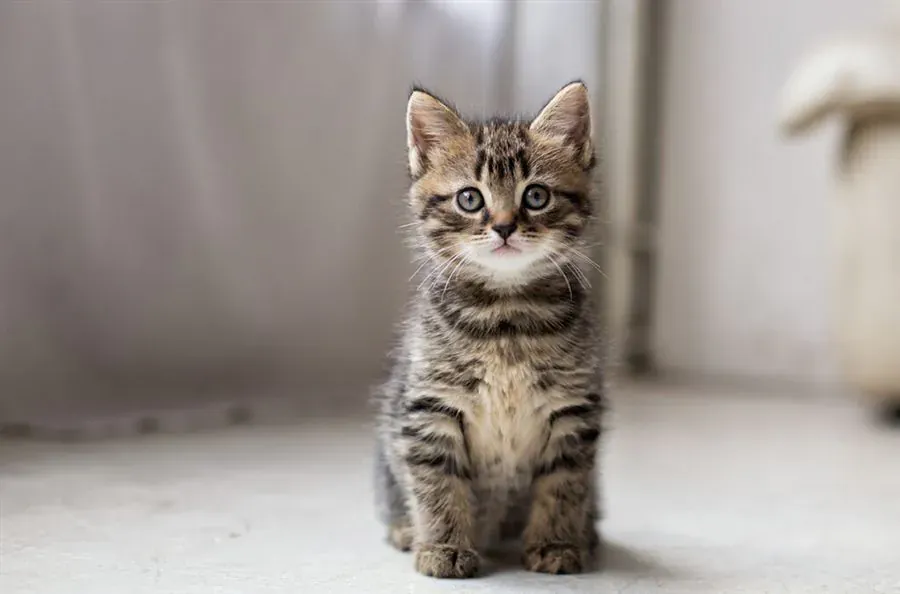
Your cat isn't trying to be naughty. Scratching is a deep, natural instinct - cats do it to mark territory, stretch their bodies and sharpen their claws. The trick isn't to stop scratching; it's to redirect it somewhere acceptable.
Why cats scratch (so you understand them)
- Marking - paw pads leave scent and visible marks that say "mine."
- Stretching - it's a full-body flex, especially after naps.
- Claw care - scratching removes old, worn-out claw sheaths.
- Stress relief - just like humans fidgeting.
Give your cat a better option
The golden rule: make the right thing easy and the wrong thing unpleasant.
- Place a sturdy scratching post near the sofa or chair they love.
- Try different materials - sisal rope, cardboard, carpet. Cats have favourites.
- Posts must be tall enough to stretch fully and won't wobble.
- Rub catnip on the post to attract them.
Protect the furniture
- Cover corners with double-sided tape (cats hate sticky paws).
- Use a plastic or sisal corner guard on sofa arms.
- Drape a loose blanket over spots they target.
- Keep scratching posts in the rooms where scratching happens.
What NOT to do
Trimming helps
Keep claws trimmed every 2-4 weeks. Shorter claws do much less damage. If you're unsure how, ask your vet to show you once - it's quick and easy.
A little patience goes a long way
It can take a few weeks for a cat to switch to the post. Stay consistent, reward every good scratch, and your sofa will survive - and your cat will be happier too. 🐾
Dr. Maya is a licensed veterinarian with more than 10 years of experience in small-animal medicine. As chief editor at Pawsome, she reviews every article for accuracy, kindness and clarity, so you can trust the advice you read.