Bird Molting: What's Normal, What's Not & How to Help
 Dr. Anika
📅 Aug 24, 2026
⏱️ 5 min read
Dr. Anika
📅 Aug 24, 2026
⏱️ 5 min read
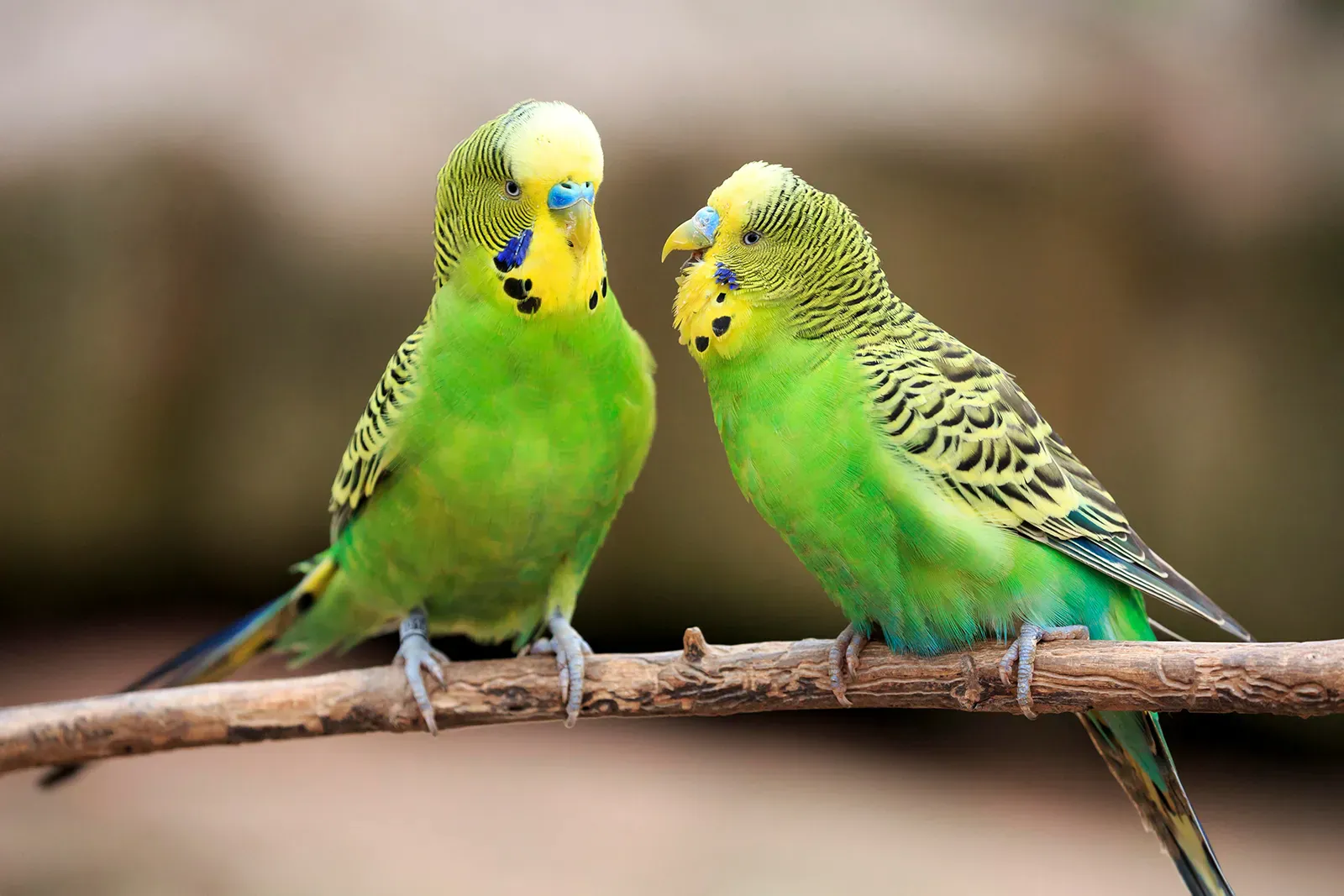
One morning you walk in and your bird's cage looks like a pillow fight happened. Welcome to molt - a completely normal, once- or twice-yearly feather renewal. It's also a sensitive time for birds, and they need a little extra from you.
What a normal molt looks like
- Feathers are replaced in a balanced pattern, so birds never go bald
- Small pin feathers (stiff, waxy tubes) appear on the head
- Lasts 4-8 weeks, once or twice a year
- Birds may be quieter, sleepier or a bit grumpier
- More bathing than usual - they're soothing itchy skin
How to help during molt
- Extra protein. Feathers are mostly protein - offer a bit of egg, cooked chicken or sprouted seeds.
- Encourage bathing. A shallow dish or gentle misting relieves itchy pin-feather casings.
- Mist daily. Humid air softens the keratin sheaths, making new feathers easier to preen out.
- Support pin feathers. Let your bird ask you for help - gently rolling the casing on the head between your fingers is a trust-builder.
- Cut the stress. Keep routine stable; molting is physically exhausting.
⚠️ When it's NOT normal
Bald patches, bleeding feathers, or a molt that drags on for months are red flags. Feather plucking (a stress/behavior issue) and nutritional problems look similar - a vet visit is in order.
🐾 Bathing shortcut
Spray your bird lightly with lukewarm water from a mister bottle a couple of times a day. Most birds love it and it dramatically eases the molting itch.
Molting is a sign your bird is healthy enough to renew its gear. Give them protein, humidity and patience, and they'll come through it fluffier than ever.
Dr. Anika
Dr. Anika is a veterinarian specialising in small mammals, birds, fish and reptiles. She writes Pawsome’s pocket-pet guides and is on a mission to make sure hamsters, rabbits and parrots get the same quality care as cats and dogs.
✨ Keep reading