Why Cats Get Hairballs & How to Handle Them
 Dr. Maya
📅 Aug 12, 2026
⏱️ 6 min read
Dr. Maya
📅 Aug 12, 2026
⏱️ 6 min read
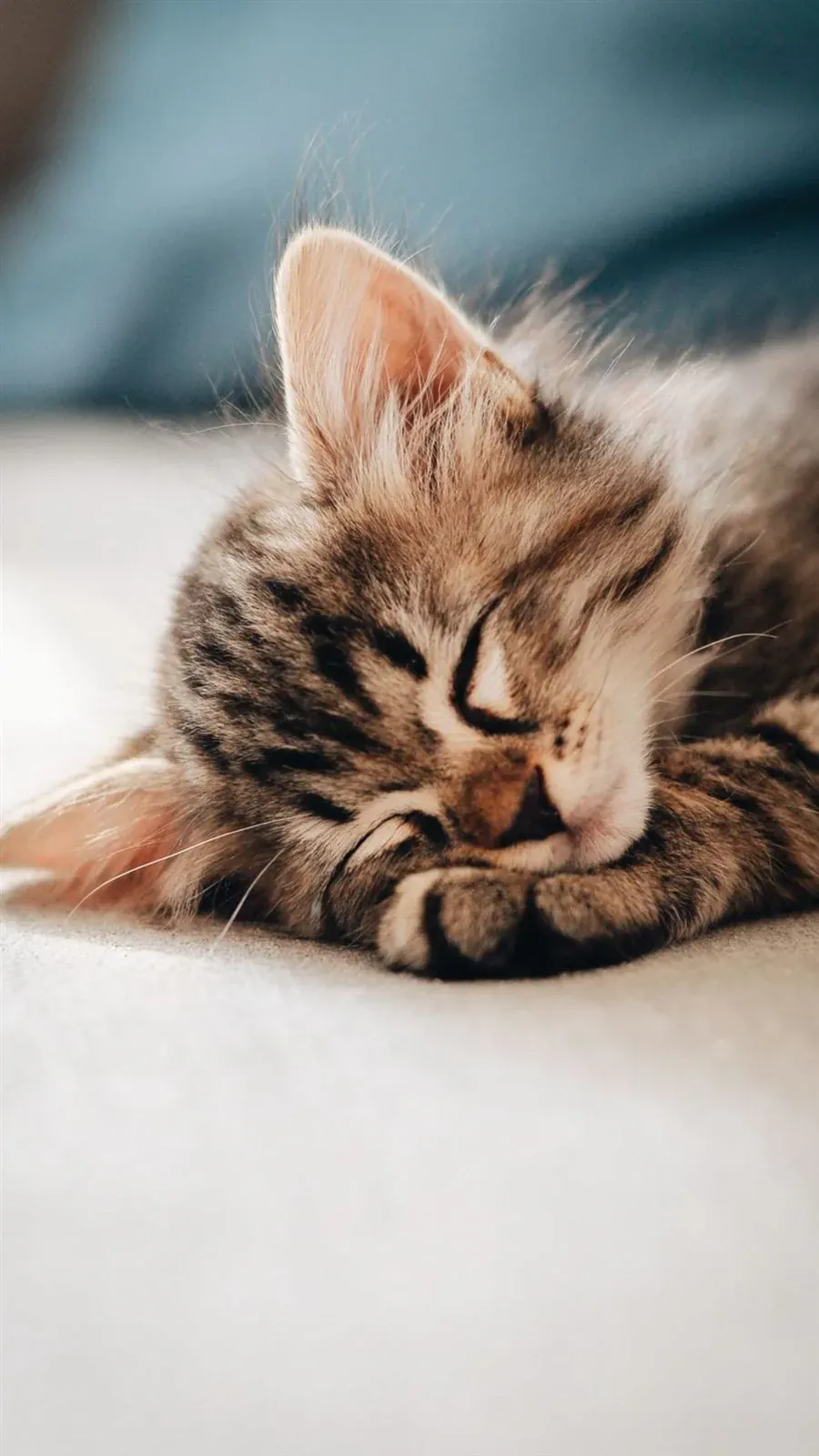
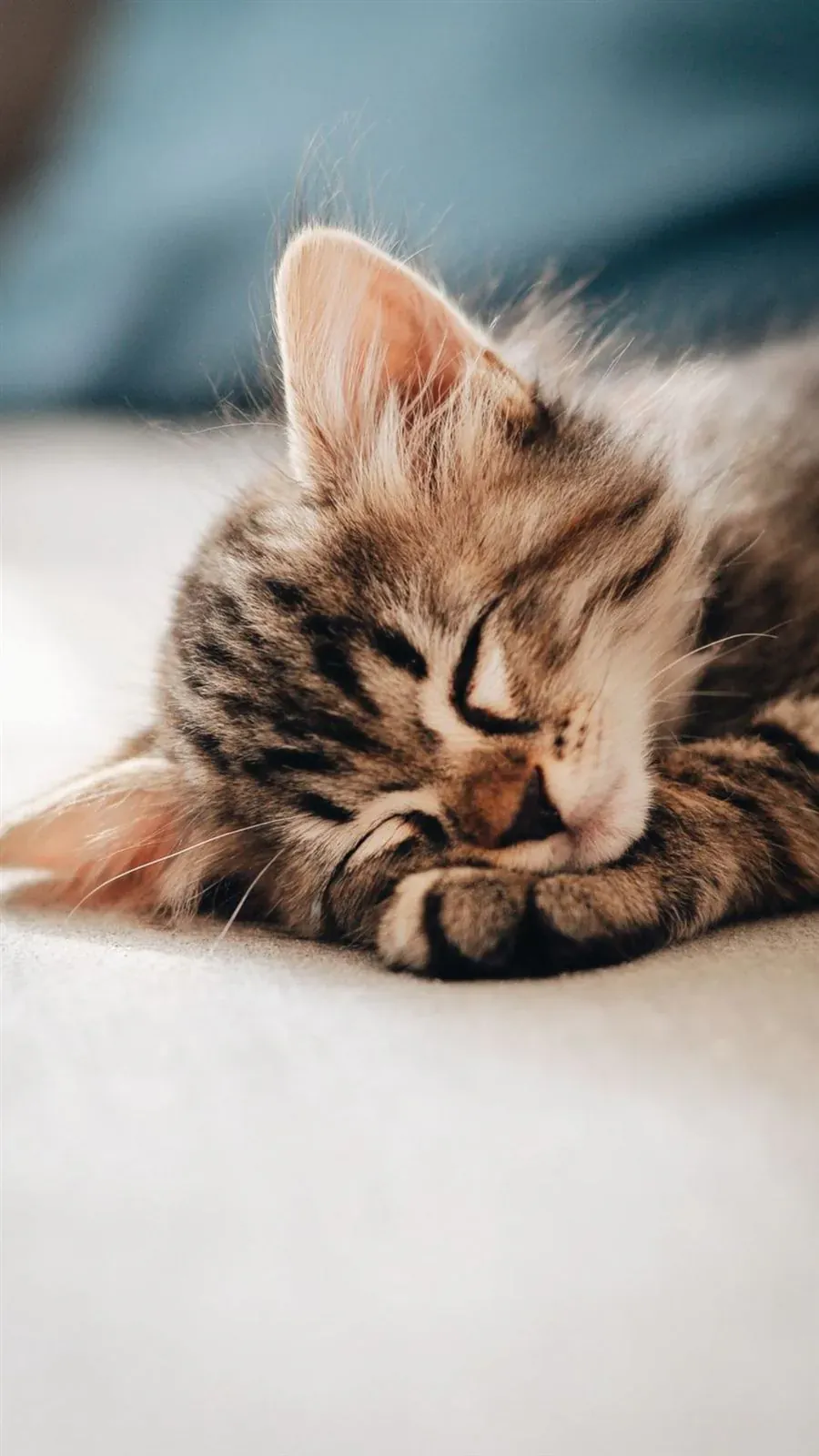
That hacking sound at 3am - we all know it. Hairballs are a classic cat complaint, but here's the thing: they're a symptom of shedding and grooming, not an unavoidable fact of cat life. You can do a lot to reduce them.
Why do they happen?
Cats spend up to 30% of their waking life grooming. Their tongue has backward-facing barbs that trap loose fur, and most of it passes through the digestive system. When the fur won't move along, it clumps in the stomach - and your cat coughs it up as a hairball.
Reduce hairballs at the source
- Brush daily. Removing loose fur before your cat swallows it is the single best fix - short-hairs need it weekly, long-hairs daily.
- Hairball diet food. Specially formulated kibble has extra fiber to help fur move through.
- Add a little fiber. A pea-sized blob of petroleum-based hairball gel, or a pinch of pumpkin, helps things slide.
- More water. Hydrated cats pass fur more easily. A fountain can double their water intake.
When to worry
One hairball a week is on the high side; once or twice a month is more typical. But frequent vomiting that's mostly bile or food - with no hair in it - is not a hairball problem. That's a veterinary visit.
Daily brushing, a little fiber and good hydration will cut hairballs dramatically. Your couch and your sleep will both thank you.
Dr. Maya is a licensed veterinarian with more than 10 years of experience in small-animal medicine. As chief editor at Pawsome, she reviews every article for accuracy, kindness and clarity, so you can trust the advice you read.